Cryptocurrency often feels like an untamed frontier of finance: full of price shocks, viral trends, and billion-dollar shifts. In early 2024, Bitcoin lost $120 billion in market value within a day, while Shiba Inu jumped 20% after a celebrity endorsement. These moves may appear chaotic, but behind every price swing are measurable forces at work. This article examines the underlying factors influencing crypto prices, from supply and mining costs to sentiment, regulation, and speculation, to uncover the mechanisms that drive this volatile market.
Quick summary
- Crypto markets move in response to real economic levers, including supply, demand, and production costs.
- Competition, sentiment, and hype can amplify short-term volatility.
- Accessibility on trading platforms and global regulation affect long-term stability.
- Understanding these drivers helps traders interpret market movements, though it does not reduce the inherent risks involved in trading.
What factors influence cryptocurrency prices?
At the core of every cryptocurrency market lies the basic law of supply and demand. When traders rush to buy, prices surge; when selling pressure dominates, values tumble. Bitcoin’s capped supply of 21 million coins adds scarcity, anchoring its long-term appeal. This scarcity reflects how gold derives its value, which stems from a limited supply meeting ever-changing demand.

For example, during Bitcoin halving events, which occur roughly every four years, the rate of new Bitcoin issuance drops by 50%. Historically, this reduced supply has led to significant bull runs, as seen in 2017 and 2021.
Another example is Ethereum’s transition to proof-of-stake, which reduced energy consumption and changed the process of supply entering circulation, hence influencing its perceived value.
Liquidity also defines how sharply prices react to shifts in sentiment. Bitcoin and Ethereum, with their deep trading volumes, absorb market pressure more effectively than smaller-cap coins. Meanwhile, lesser-known tokens can swing wildly when a few large trades hit the books.
Dayana Binti Mohamad Ramli, Deriv’s Market & Product Intelligence Analyst, elaborates:
“Liquidity is the hidden heartbeat of crypto markets. It decides whether price reactions are smooth corrections or sudden crashes.”
In traditional markets, asset prices fluctuate in response to measurable economic data, including Gross Domestic Product (GDP), employment, and interest rates.
Cryptocurrencies lack these fundamentals, relying instead on technology, sentiment, and liquidity. That’s why crypto price movements often appear disconnected from wider financial indicators. They’re shaped mainly by decentralised networks and global investor psychology. However, they are still indirectly influenced by monetary policy as interest rates affect liquidity, risk appetite, and overall market sentiment.
How do mining costs affect crypto price movements?
For proof-of-work cryptocurrencies, mining is more than a technical process—it is a cost base that shapes market behaviour. Miners invest in hardware, electricity, and cooling systems to validate transactions and earn rewards. When the cost of production approaches or exceeds the coin’s market value, miners scale back operations. This reduction in supply can stabilise or even push prices higher over time.

For instance, in 2022, when electricity prices spiked in parts of Europe, smaller Bitcoin mining firms temporarily shut down operations, leading to lower network activity and reduced coin supply. As of 2025, advances in renewable energy and more efficient chips have lowered some production costs, yet rising network difficulty maintains a delicate balance.
The economics of mining remain a hidden but powerful factor influencing crypto prices beneath the surface, as noted in Investopedia’s overview of cryptocurrency fundamentals and the Cambridge Bitcoin Electricity Consumption Index.
Why is crypto market volatility driven by competition and innovation?
The cryptocurrency ecosystem thrives on innovation—and rivalry. New projects constantly challenge established names like Bitcoin and Ethereum, promising faster settlement speeds or cheaper transactions. When traders perceive superior technology or better real-world utility, capital flows toward these newer assets.
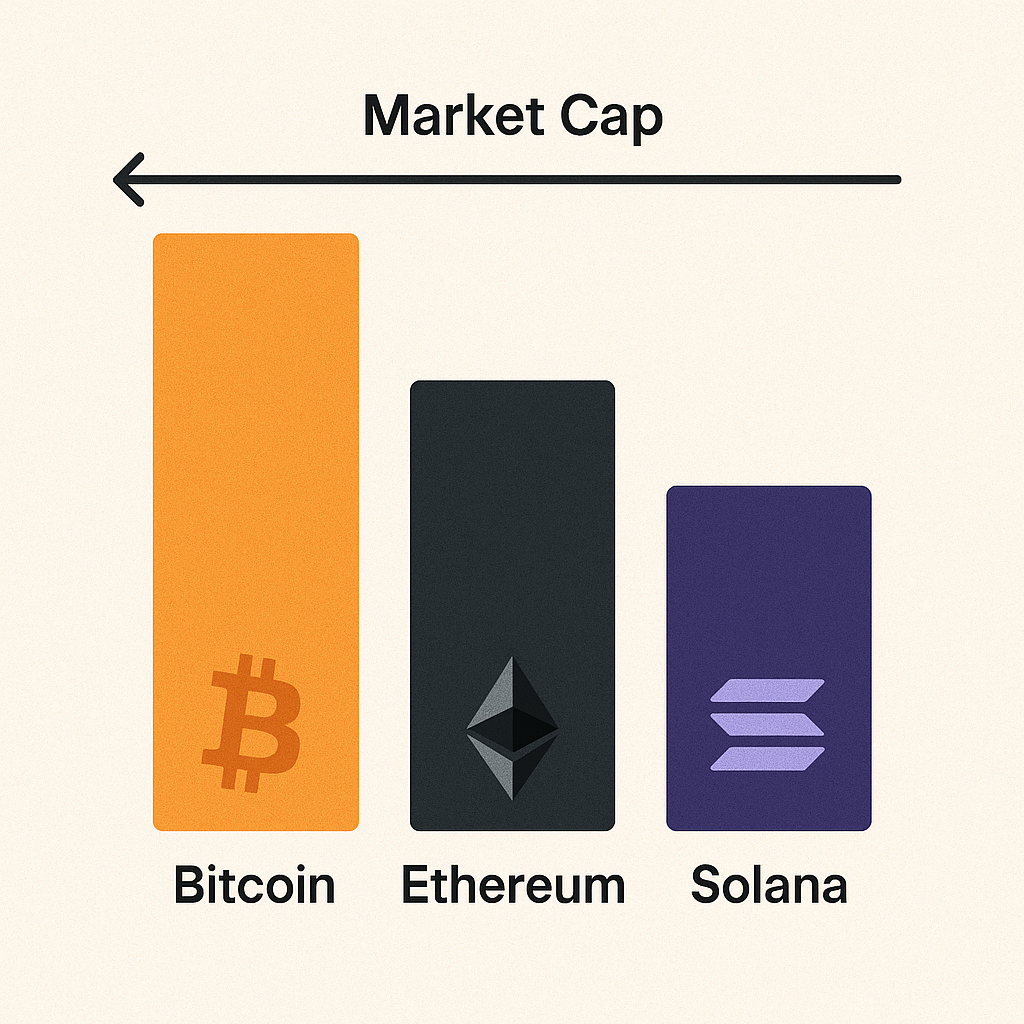
For example, when Solana introduced high-speed, low-fee transactions, its market capitalisation skyrocketed as investors saw potential for mass adoption. Similarly, Avalanche’s sub-second finality attracted developers, pulling investment away from older, slower blockchains.
However, not every challenger sustains momentum. Market cycles often reward novelty but punish inconsistency. As coins rise and fall in popularity, competition redistributes liquidity and investor focus, creating continuous waves of volatility.
How does crypto sentiment analysis understanding market sentiment explain price swings?
Emotions drive markets as much as data. Optimism fuels rallies; fear triggers sell-offs. Crypto markets magnify this dynamic through social media, where narratives spread instantly. The Crypto Fear and Greed Index, which measures sentiment through volatility, volume, and search trends, often serves as a barometer for near-term market movements.
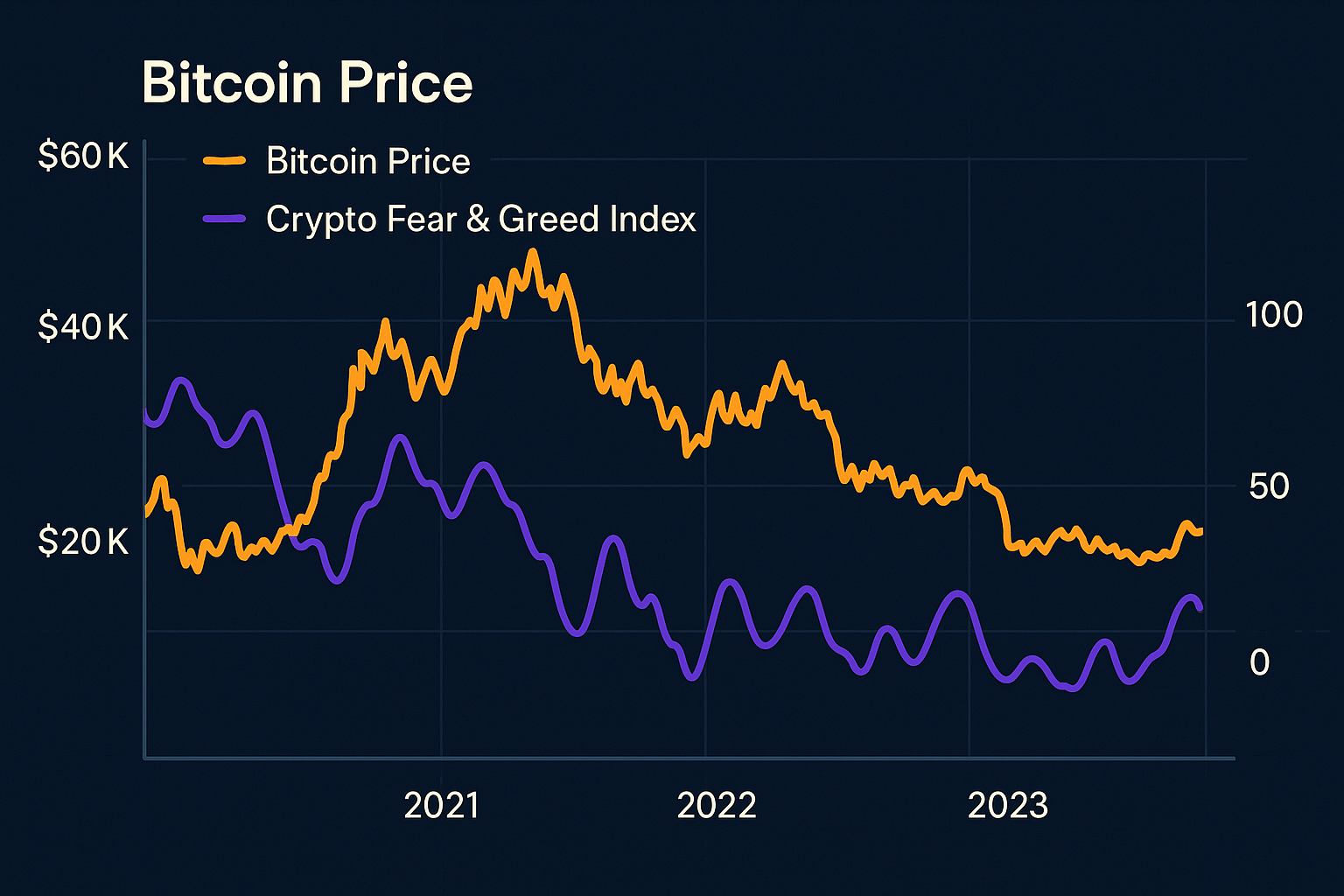
During the 2021 bull run, optimism around institutional adoption by Tesla and PayPal sent Bitcoin soaring above $60,000. Conversely, in 2022, when the Federal Reserve signalled aggressive interest rate hikes, investor fear led to sharp declines across the market. These shifts underline how sentiment can dominate short-term behaviour.
Aiden Grech, Deriv’s Trading Manager, adds:
“Sentiment is like gravity in the crypto market. It pulls everything in its direction, whether rational or not.”
In 2025, sentiment remains closely tied to macroeconomic factors, including inflation, central bank policies, and global political tensions. When uncertainty rises, traders tend to gravitate toward stable assets. When optimism returns, liquidity rushes back into high-risk tokens. For more on behavioural finance, refer to the World Economic Forum’s report on digital assets.
How do regulation and crypto prices connect?
Government policy remains one of the most significant external factors influencing the cryptocurrency market. Regulatory clarity can legitimise an asset class, while restrictive actions can trigger sell-offs. In 2025, global authorities will focus on investor protection, anti-money laundering compliance, and taxation. Decisions from the US Securities and Exchange Commission (SEC), the European Central Bank, or Asian regulators ripple instantly through global markets.

For instance, when the European Union introduced its Markets in Crypto-Assets (MiCA) framework, investor confidence grew, helping stabilise prices. Conversely, crackdowns in China and certain US states in earlier years often led to temporary market dips. According to the IMF’s research on digital currencies, consistent regulatory standards will likely strengthen long-term confidence and reduce manipulation risks.
How do media coverage and global events affect crypto prices?
News headlines and global events often act as catalysts for sharp price movements volatility risk management strategies. Announcements such as ETF approvals, exchange hacks, or high-profile bankruptcies can send waves through the market within minutes. Similarly, global crises or inflation data can shift investor appetite for risk. Some traders monitor real-time news and technical indicators to stay aware of potential market shifts, though these tools cannot reliably predict outcomes or remove risk.
How can cryptocurrency trading strategies adapt to these forces?
Understanding the relationships between supply, mining costs, competition, sentiment, and regulation allows traders to make more informed decisions.
Diversifying assets and setting stop-loss limits are common techniques traders use to manage exposure, but they cannot eliminate the risks associated with volatile markets.
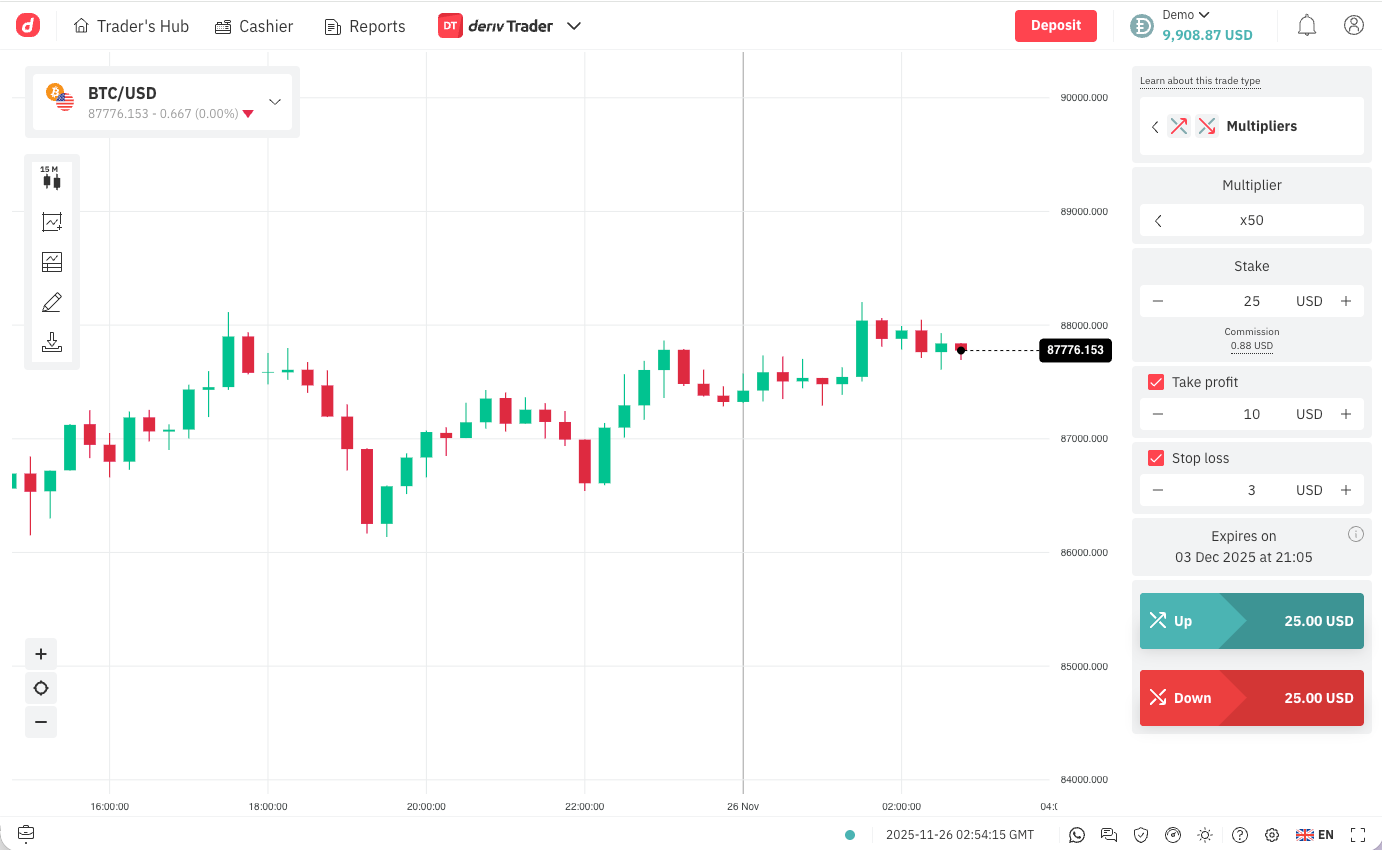
Platforms like Deriv offer demo accounts where traders can practise strategies in simulated conditions before deciding whether to trade with real funds. Real trading always carries financial risk, and demo practice helps users understand these risks in a controlled environment.
The hidden forces, revealed
Behind every price chart lies a system of interwoven causes: economic, technological, and psychological. Supply defines scarcity. Production costs set the floor. Sentiment, hype, and competition shape the peaks and troughs of the market. Regulation and accessibility provide the boundaries of trust. These elements interact constantly, producing the dynamic patterns traders observe every day.
Understanding these hidden forces doesn’t make cryptocurrency prices predictable, but it helps traders interpret market movements with greater awareness of the risks and underlying factors.
At Deriv, our market experts continually monitor these evolving dynamics to help traders better understand market dynamics, though trading outcomes remain uncertain and involve financial risk.
By understanding not just the ‘what,’ but the ‘why’ behind crypto price movements, traders can build informed strategies that acknowledge volatility as a fundamental part of market dynamics.
Quiz
What happens when the cost of mining a cryptocurrency becomes higher than its market price?
FAQs